A map made of reception
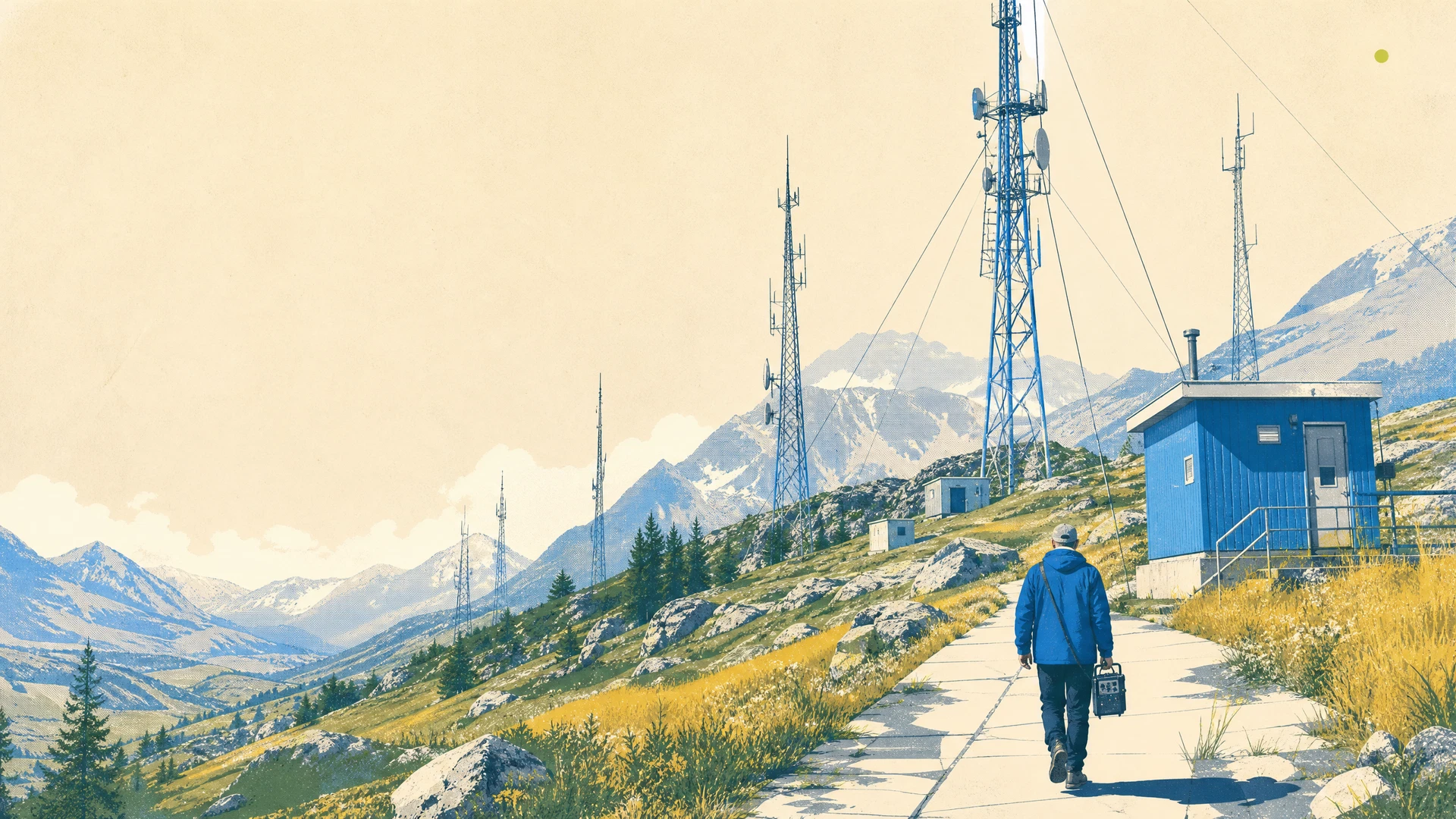
Antenna Valley opens without a quest marker. The first thing you receive is a laminated topographic sheet, a battered receiver and a request to bring Relay Seven back online before the evening weather arrives. The receiver does not point toward an objective. It changes texture as you move: broad noise near power lines, tight pulses beneath a microwave route, a human voice when a local programme bends around the ridge. Within ten minutes, the valley has stopped being scenery and become an instrument.
That decision gives the game a rare consistency. Every tower is visible from somewhere useful. Every maintenance path follows terrain that makes practical sense. You learn to read cut grass, drainage channels and cable shadows rather than following coloured paint. The landscape remains beautiful, but its beauty comes from legibility rather than scale.
Repair as interpretation
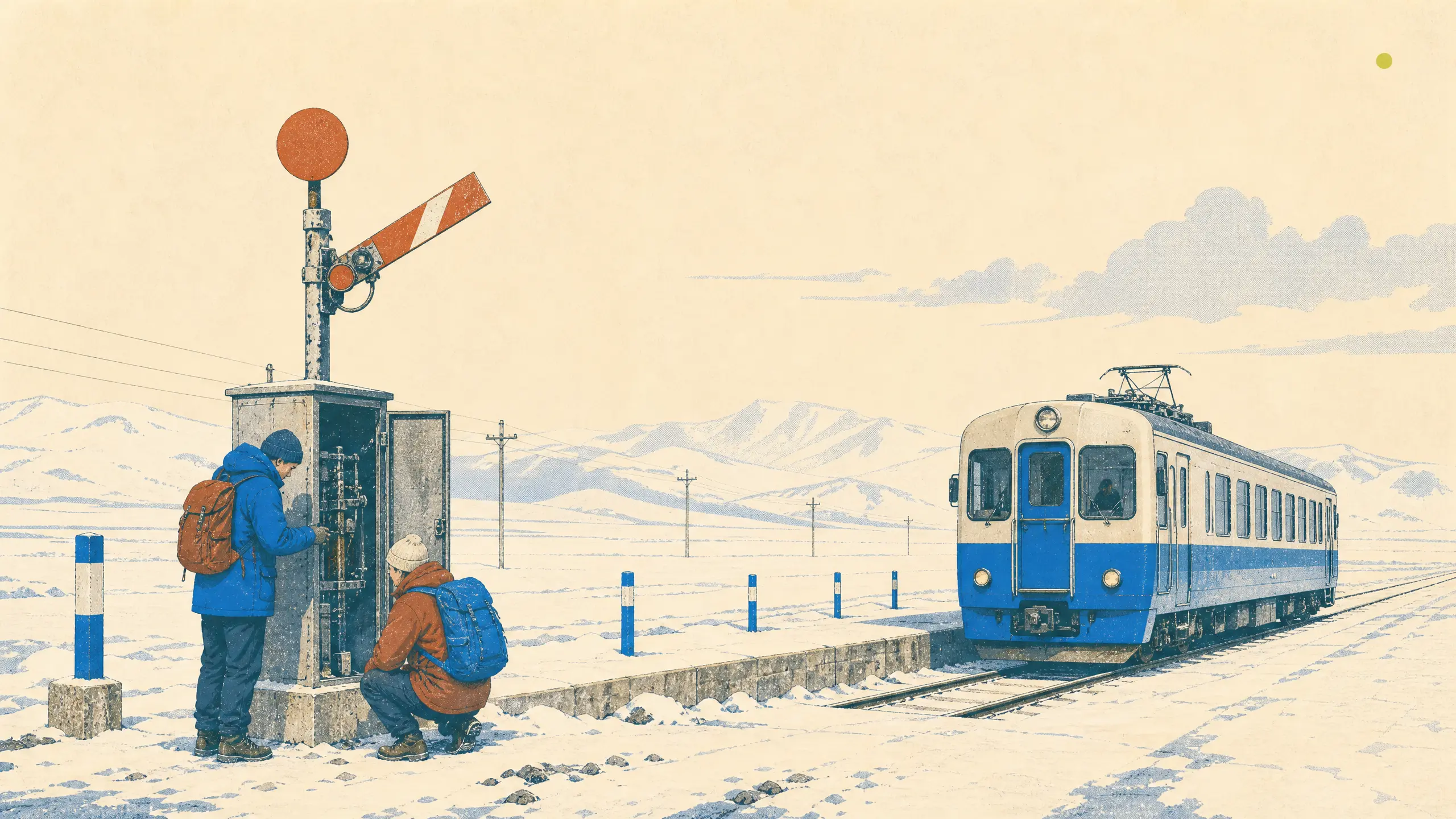
Each relay has a compact fault puzzle. One may have a waterlogged junction; another is technically intact but aimed at an abandoned transmitter. Components are limited, so the interesting question is not whether you can make every meter turn green. It is which parts of the network deserve to return first. Reconnecting the school bulletin may delay the forestry channel. Stabilising emergency coverage can weaken a community music programme in the next basin.
None of these choices becomes a morality wheel. You make them inside clear engineering constraints, then hear the consequences through ordinary broadcasts. A caller thanks the presenter. A weather warning arrives late. A folk session suddenly reaches a village that has not heard it in years. The game trusts small changes to carry emotional weight.
A disciplined quiet
The valley is not empty. It contains maintenance crews, shepherds, amateur radio operators and hikers who have practical reasons to care about coverage. Conversations are short and specific. People discuss batteries, weather windows, borrowed tools and the etiquette of using a shared frequency. This restraint makes them feel present without turning every encounter into a personal confession.
The sound design does most of the atmospheric work. Wind changes as towers come online. Distant speech folds into interference. Your boots make different rhythms on concrete pads, gravel paths and wet service stairs. Music appears only through radios, so restoring a station can literally change the soundtrack of an entire slope.
Where the line drops
The game is less convincing when it asks for precise climbing. Its first-person mantle system is deliberately modest, but a few late routes depend on ledges that look decorative rather than usable. The inventory also grows busier than the physical repair puzzles require. By the final district, sorting spare couplers can feel like filing receipts after a very good walk.
Those irritations remain peripheral. Antenna Valley understands its subject and builds every major system around it. It is not a game about conquering the wilderness or exposing a conspiracy hidden in the static. It is about infrastructure as a form of community memory — and about the pleasure of making a complicated thing briefly understandable.
The best moments begin with static, a contour line and the suspicion that somebody once chose this exact place for a reason.